Discovering Profits: The Definitive Guide to Pallet Liquidation
In the realm of retail, pallet liquidation offers a unique opportunity for profit. Savvy investors can tap into a diverse range of merchandise at lower prices. However, success copyrights on understanding procurement, product evaluation, and strategic resale methods. Numerous individuals encounter common pitfalls that can undermine their businesses. As this resource progresses, it will highlight essential insights that can transform a simple liquidation deal into a thriving business opportunity. What strategies will prove most effective?
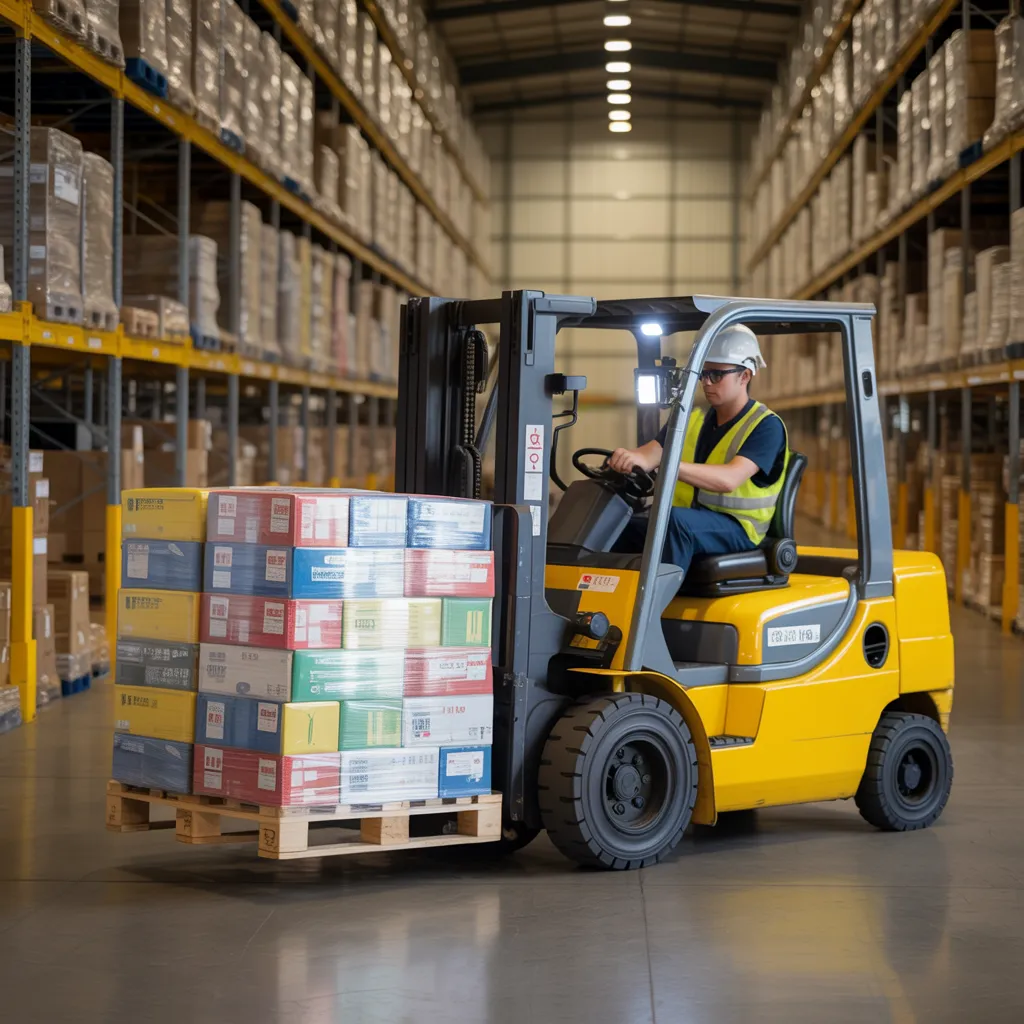
Your Essential Guide to Understanding Pallet Liquidation
Pallet liquidation provides a unique opportunity for individuals and businesses looking to obtain marked-down merchandise. This process involves the sale of surplus or returned goods, usually arranged in pallets, at significantly lower prices. Sellers frequently liquidate surplus inventory to recover costs and create space for fresh inventory. Shoppers can discover a diverse range of items, from electronics to clothing, which can be flipped for gain or retained for individual use.
Understanding the resale liquidation process is crucial for potential buyers. It encompasses evaluating the condition of items, recognizing the market value, and determining the resale opportunities. Moreover, buyers must be aware of the sale terms, including any limitations or charges. This awareness enables informed decisions and maximizes the benefits of pallet liquidation. Ultimately, it delivers timely resource a budget-friendly opportunity for acquiring goods, promoting business ventures, and supporting sustainable consumption practices.
Discovering Dependable Sources for Pallet Liquidation
Locating dependable sources for pallet liquidation deals is essential for buyers hoping to profit from reduced-price merchandise. A variety of methods exist for acquiring these pallets, including bulk merchandise suppliers, surplus merchandise warehouses, and online marketplaces. Reputable wholesale suppliers often develop close ties with manufacturers, permitting them to supply premium pallets at reasonable costs. Liquidation warehouses specialize in surplus and returned goods, providing a diverse range of products. Web-based channels, such as auction sites and dedicated liquidation websites, can also function as useful tools, allowing purchasers to place bids on pallets from multiple retailers.
It is crucial to carry out detailed research on possible suppliers, checking reviews and testimonials to gauge reliability. Moreover, visiting physical locations can provide insights into the quality of inventory offered. Building relationships with trustworthy suppliers can enhance the purchasing experience and guarantee consistent access to quality liquidation pallets.
Key Factors to Assess Quality in Liquidation Pallets
When assessing liquidation pallets, a comprehensive physical examination is essential to identify potential issues. Furthermore, the credibility of the manufacturers included in the pallets is a key factor in assessing total quality. Being aware of these considerations can substantially affect procurement decisions and future resale value.
Visual Inspection Techniques
A detailed visual inspection can significantly improve the probability of discovering high-value merchandise in liquidation pallets. Inspectors should start by inspecting the outside of the pallet for any signs of damage or wear. This includes checking for broken seals, torn packaging, or noticeable stains, which may signal affected merchandise. Next, assessing the overall organization of the items can provide insights into quality; well-arranged pallets often imply better inventory management. Additionally, identifying brand labels and product descriptions can assist in determining prospective selling value. Buyers should also look for absent parts or attachments that could diminish the value of specific items. By applying these visual evaluation strategies, purchasers can arrive at educated choices, enhancing their profit potential in wholesale liquidation pallets.
Brand Reputation Importance
Brand reputation holds significant importance in determining the quality of liquidation pallets and can considerably affect potential resale value. Buyers must consider the brand's reputation in the market, as well-known brands generally provide higher-quality products. A reputable brand is often associated with dependability and exceptional quality, which can strengthen consumer confidence and interest.
Moreover, the company's reputation for customer satisfaction and warranty coverage can act as measures of item quality. Sellers should additionally research consumer reviews and comments on particular products within liquidation pallets. By selecting reputable brands, buyers can limit risks, making sure that the items they acquire are positioned to sell quickly and at a better profit margin, ultimately maximizing their returns from liquidation merchandise.
How to Resell Liquidated Merchandise Like a Pro
Reselling liquidated merchandise demands a calculated approach to maximize profits. Key aspects include sourcing quality liquidation pallets, developing strong pricing strategies, and selecting the best selling platforms. Recognizing these components can significantly improve your success in the resale market.
Acquiring Quality Liquidation Pallets
Maneuvering the world of liquidation pallets can be a profitable opportunity for those looking to trade goods. To find quality liquidation pallets, one must seek out reputable suppliers. Reputable wholesale and liquidation businesses often offer a selection of pallets, ensuring better product quality. Evaluating the condition of items within the pallets is essential; reviewing manifest lists can provide insights into potential value. Connecting with fellow resellers can yield useful insights on reliable sources. Additionally, attending liquidation auctions or trade shows can present unique opportunities. By emphasizing reliable channels and conducting diligent research, resellers can enhance their inventory quality and increase profits. Ultimately, comprehensive sourcing lays the foundation for effective resale efforts in this competitive market.
Pricing Strategies for Resale
Understanding how to strategically price liquidation merchandise is a key factor in optimizing profitability. Sellers should begin by reviewing the standard retail value of merchandise and studying existing market dynamics to determine competitive pricing. A popular strategy entails pricing at between 30% and 50% of the retail value to attract buyers while ensuring a reasonable profit margin. Moreover, factoring in the condition of the products—brand new, reconditioned, or pre-owned—can influence pricing decisions. Retailers might consider using tiered pricing structures, offering discounts on bulk purchases to encourage larger transactions. Adaptability in pricing approaches is crucial; revising prices in response to market demand and seasonal patterns can enhance overall sales. At the core of it all, honest dialogue about the worth of merchandise strengthens buyer trust and supports long-term business relationships.
Powerful Selling Platforms
Identifying the best selling platforms is critical for maximizing the returns of liquidation inventory. Multiple alternatives are accessible, including web-based marketplaces like eBay, Amazon, and Facebook Marketplace, which deliver extensive reach and intuitive browsing experiences. Specialized liquidation websites, such as Liquidation.com, can also be effective for reaching buyers looking exclusively for surplus goods. Nearby selling opportunities, like flea markets or consignment shops, offer opportunities for face-to-face sales and quick revenue. Social media channels, especially Instagram and Pinterest, empower sellers to present items in a compelling way, drawing targeted audiences. Recognizing the demographics and preferences of each platform's user base can enable merchants to customize their methods, securing greater inventory movement and greater financial returns for liquidated items.
Avoid These Common Pitfalls in Pallet Liquidation
How does one successfully manage the intricacies of pallet liquidation without succumbing to common mistakes? Countless buyers tend to undervalue the critical role that detailed research plays before finalizing a purchase. Failing to investigate the condition of items or the reputation of suppliers can lead to costly mistakes. Moreover, failing to account for delivery costs and supply chain considerations can reduce margins, as unforeseen fees may emerge at any point.
One other frequent mistake is underestimating the intended audience. Sellers may source merchandise that do not match market demand, leading to slow-moving stock. Moreover, insufficient knowledge of applicable laws can create compliance problems, especially when redistributing specific items.
Additionally failing to monitor expenses and sales can impede accurate profitability assessment. By tackling these challenges, individuals can enhance their chances of success in the pallet liquidation business, ultimately optimizing their overall investment returns.
Boosting Revenue Through Pallet Liquidation Strategies
Steering through the challenges of pallet liquidation lays the groundwork for implementing proven methods to boost earnings. Successful investors often begin by conducting thorough market research to locate sought-after merchandise. Recognizing regional buying patterns allows for well-researched buying choices, ensuring that the pallets obtained contain items with significant resale appeal.
Additionally, harnessing digital marketplaces for selling can widen audience reach and enhance profit margins. Business owners should focus on enhancing product listings with comprehensive descriptions and high-resolution images to capture the attention of buyers.
Engaging with fellow liquidation experts can deliver meaningful understanding of optimal strategies and prospective collaborations, enhancing overall profitability.
Finally, implementing proper inventory management practices reduces overhead costs and minimizes waste. By strategically selecting pallets, optimizing sales channels, and managing inventory efficiently, sellers can access significant profit potential in the liquidation pallet industry.
Common Questions and Answers
What Product Types Are Usually Included in Liquidation Pallets?
Liquidation pallets frequently feature an assorted range of merchandise, including furniture, household goods, electronics, and clothing. Retailers often unload damaged items, seasonal merchandise, or surplus inventory through these pallets. Customers may find high-value goods, brand-name items, and various general merchandise at significant discounts. The selection is often varied, leading to unexpected finds or leftover goods that prove challenging to resell, appealing to both resellers and bargain hunters alike.
How Much Should I Expect to Spend on a Liquidation Pallet?
Individuals should expect to pay anywhere from $200 to $1,000 on a liquidation pallet, influenced by factors like the type of merchandise, the seller, and the potential resale value. Budget-friendly pallets commonly feature general merchandise, while more expensive selections often feature electronics or brand-name items. Buyers should conduct thorough research to guarantee they understand the market value and potential return on investment before making a purchase.
Are There Specific Seasons for Better Liquidation Deals?
Particular periods present more attractive liquidation deals, especially after major holidays like Christmas and Black Friday when retailers offload excess inventory. Moreover, the end of fiscal quarters often results in increased liquidation activity as companies aim to minimize stock levels. Spring and fall can also offer prospects, as seasonal changes encourage retailers to renew their inventory. Consequently, smart buyers are inclined to track these times for ideal purchasing chances in liquidation pallets.
Am I Able to Negotiate Prices When Acquiring Liquidation Pallets?
Indeed, negotiation is commonly possible when purchasing liquidation pallets. Buyers can engage with sellers to discuss pricing, especially if they are buying multiple pallets or have developed a working relationship. Sellers can be amenable to negotiations, particularly if they are seeking to sell off stock promptly. Having knowledge of market value and conducting thorough research can improve a buyer's position at the negotiating table, potentially leading to better deals and increased profit margins.
What Are the Top Platforms for Selling Liquidated Items Online?
The best platforms to sell liquidated items online include Facebook Marketplace, eBay, and Amazon. These platforms offer vast audiences and user-friendly interfaces, facilitating easy transactions. Furthermore, platforms such as Craigslist and OfferUp target local buyers, boosting visibility for sellers. Dedicated liquidation sites, like Liquidation.com, can prove highly effective for targeting niche markets. Leveraging several platforms can broaden exposure and improve the chances of successful sales.